MEP vs HVAC Drawings: Understanding the Difference
Understand the difference between MEP and HVAC drawings, their roles in BIM coordination, and why both are critical for accurate construction planning.
Modern buildings are full of hidden systems. Behind walls and ceilings, there’s an intricate network of ducts, pipes, cables, and equipment that keep everything running.
MEP drawings are the big picture. HVAC drawings zoom into one part of that system.
If you treat them as the same thing, coordination problems follow.
If you understand how they fit together, projects run more smoothly.
What Are MEP Drawings?
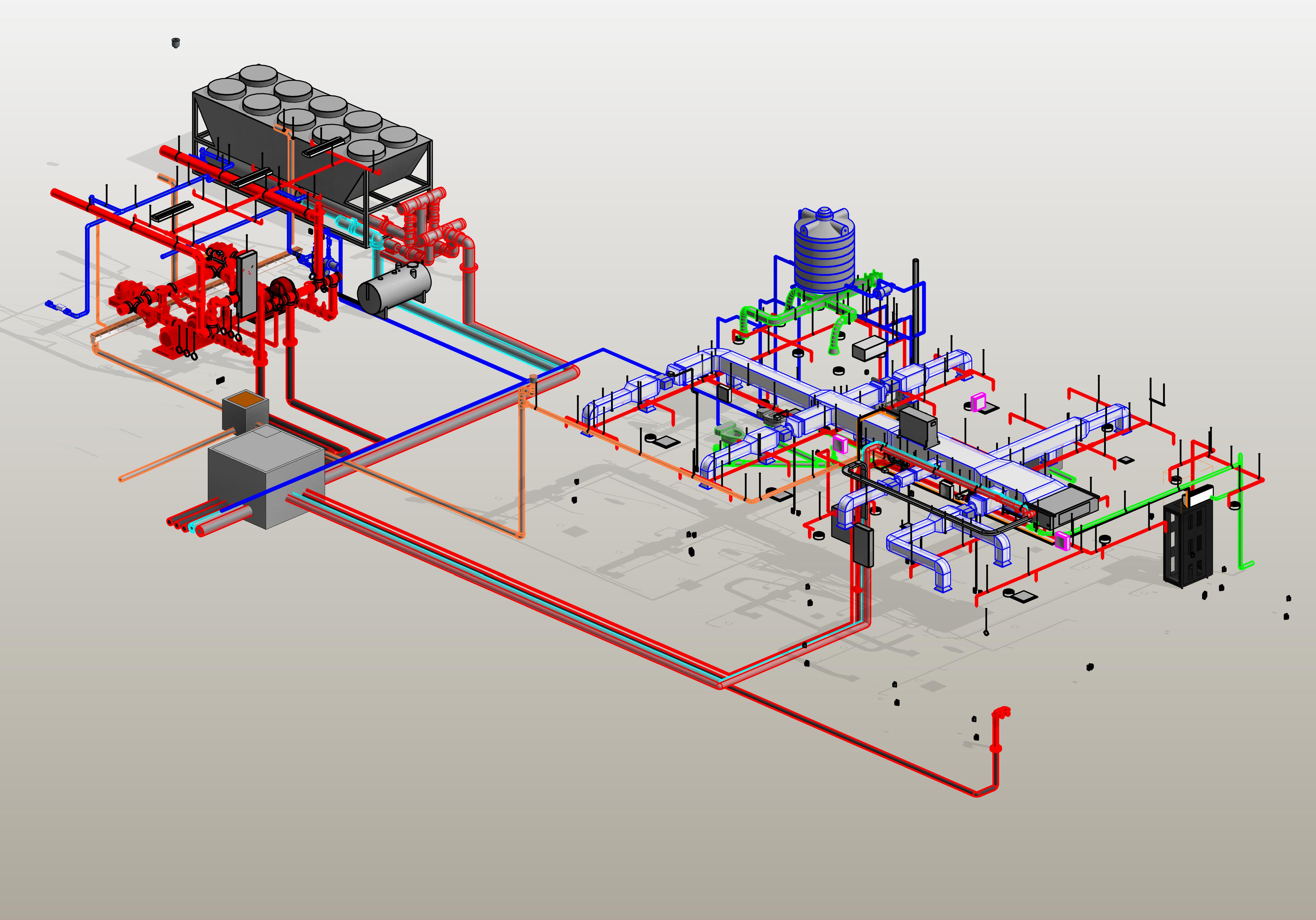
MEP stands for Mechanical, Electrical, and Plumbing. MEP drawings show how these three building systems are designed and coordinated throughout a project.
They provide a comprehensive technical roadmap that helps engineers, contractors, and project managers understand how building services fit together.
What Are HVAC Drawings?
HVAC drawings focus specifically on Heating, Ventilation, and Air Conditioning systems. They are a specialized subset of mechanical design within the broader MEP framework.
These drawings provide the technical detail required to install and operate climate control systems inside a building.
The purpose of HVAC drawings is to ensure thermal comfort, indoor air quality, and energy efficiency.
Scope
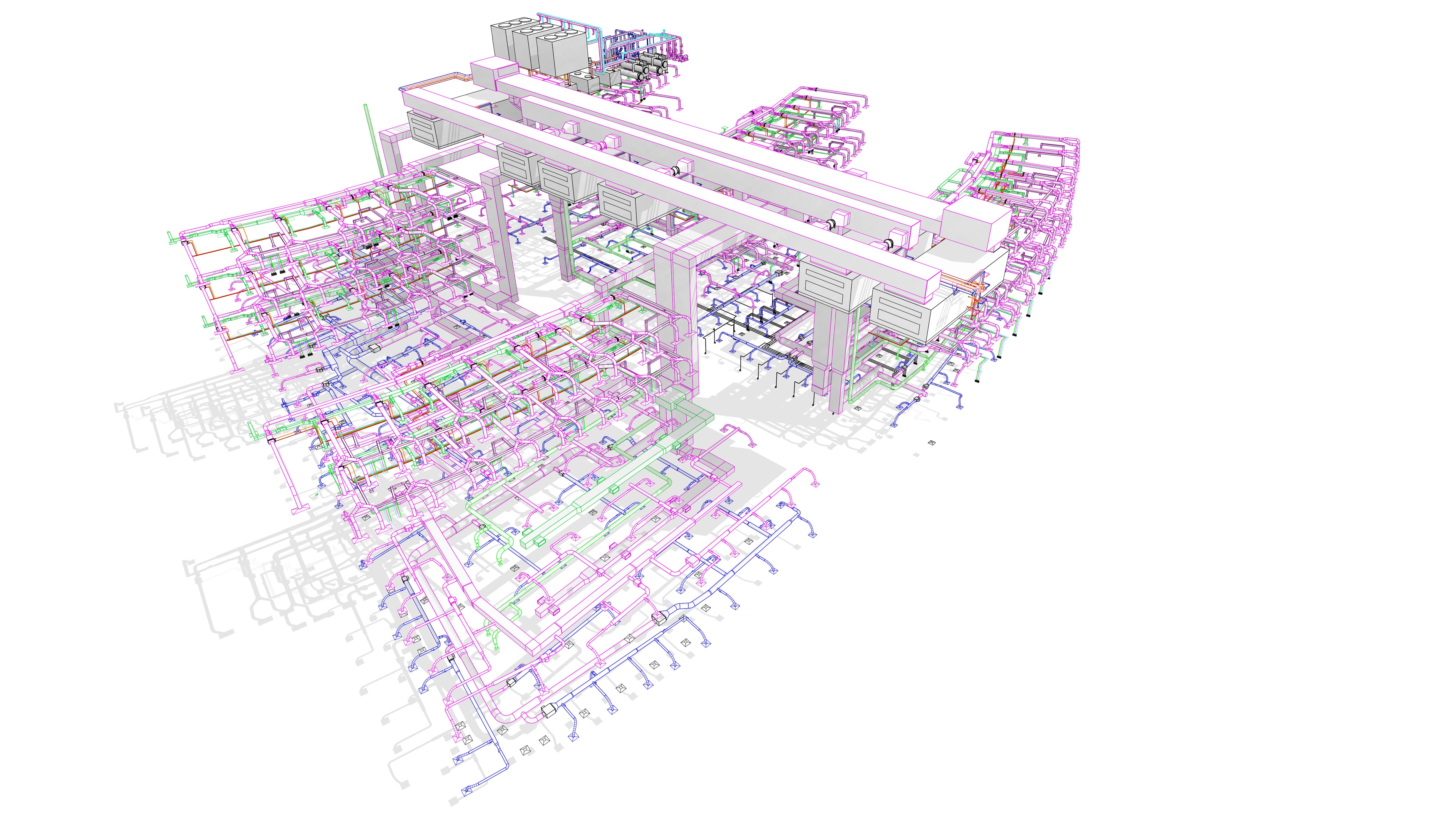
MEP drawings cover all building service systems: mechanical, electrical, and plumbing.
HVAC drawings focus only on climate control systems within the mechanical scope.
In simple terms, HVAC is a component inside the larger MEP system.
Level of Detail
MEP drawings often present a broader coordination view of building services.
HVAC drawings go deeper into airflow design, duct sizing, equipment placement, and system performance.
They are typically more detailed within the mechanical scope.
Coordination Role
MEP drawings are heavily used for clash detection and system coordination.
For example, they help identify conflicts like:
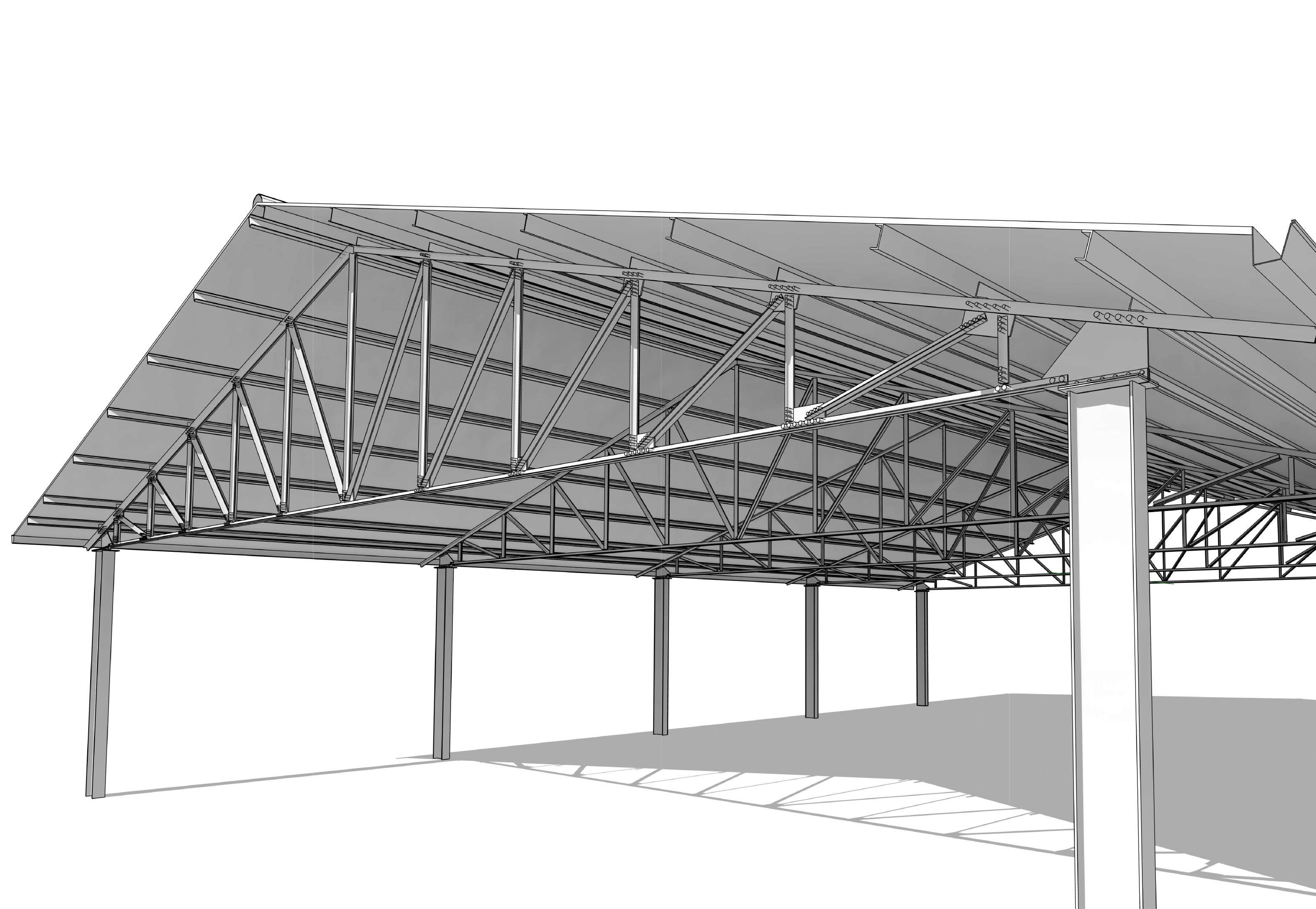
Ducts intersecting structural beams
Electrical cable trays crossing plumbing pipes
Mechanical equipment is conflicting with the ceiling systems
HVAC drawings contribute to this coordination but primarily focus on mechanical system design.
Specialists Involved
MEP drawings usually involve collaboration between multiple disciplines, including MEP engineers, BIM coordinators, and project teams.
HVAC drawings are typically created by mechanical engineers or HVAC specialists who focus on airflow, heating, and cooling performance.
Why This Distinction Matters
Many construction problems occur because building systems are designed in isolation.
Without proper coordination:
HVAC ducts may collide with structural elements
Electrical trays may block mechanical access
Plumbing lines may interfere with ventilation systems
Understanding the relationship between HVAC and MEP drawings helps teams detect these issues early.
In BIM-driven projects, this coordination becomes even more powerful. Digital models allow teams to simulate installation, detect clashes, and optimize system layouts before construction begins.
The result is fewer surprises on-site and smoother project delivery.
How The BIM Builders Approach MEP Coordination
At The BIM Builders, coordination is at the center of every BIM workflow.
We help architecture firms, contractors, and developers translate design intent into coordinated, buildable models.
Our services include:
MEP BIM Modeling
HVAC System Modeling
Clash Detection and Coordination
Construction Documentation
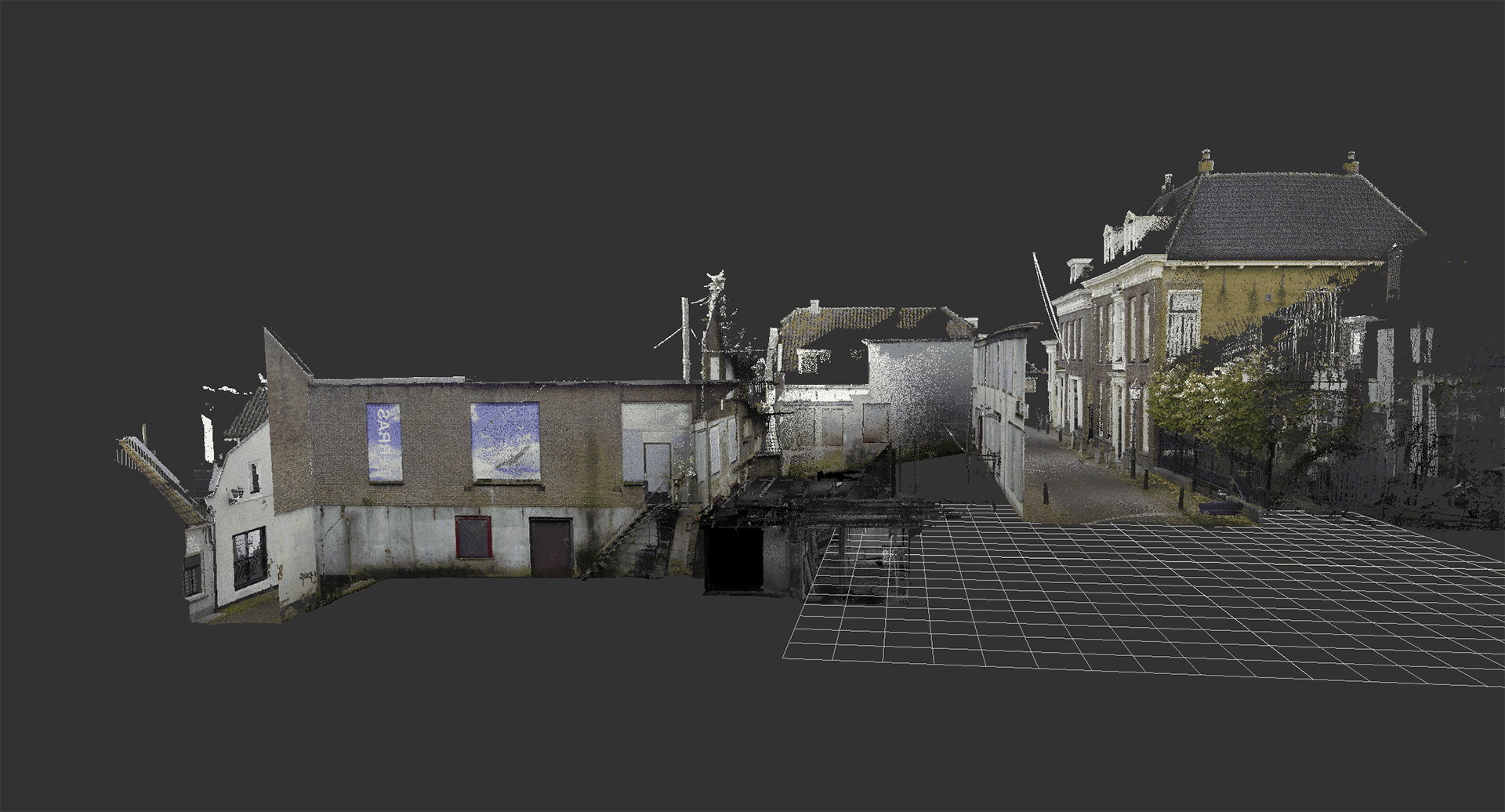
Scan to BIM for renovation and retrofit projects
The goal is simple: deliver models that make construction easier, not more complicated.
Clean geometry. Clear coordination. No unnecessary clutter.
Read More.
Stay ahead in the digital world with expert insights on branding, design, and marketing.